Earth Month - Are Artificial Flowers More Eco Friendly?
Published: 22/04/2026
How do you balance beautiful florals with a more eco-conscious choice? You use realistic artificial flowers.
SPEND £75 MORE FOR FREE DELIVERY
Spend £75 for Free Delivery
Published: 22/04/2026
How do you balance beautiful florals with a more eco-conscious choice? You use realistic artificial flowers.
Many of us are trying to make more eco-friendly choices, and with flowers, the right choice isn’t always the clearest. However, fresh flowers bring with them some concerns:
There are more sustainable ways to enjoy fresh flowers, such as buying locally grown or choosing seasonal native blooms. However, it’s also worth considering alternatives like realistic artificial flowers.
Faux flowers are not a perfect solution, but significant improvements have been made in recent years. Floralsilk, for example, now offers an eco range created using recycled fabric and recycled plastic. There are several key benefits:
At the end of their life, artificial flowers may contribute to landfill, but they can be reused, regifted, or resold. They also require minimal maintenance to stay looking beautiful. Floralsilk flowers are packaged in recyclable brown paper rather than plastic, further reducing environmental impact.
As technology evolves, so too do these products. Floralsilk continues to work towards fully recyclable artificial flowers as part of an ongoing commitment to sustainability.

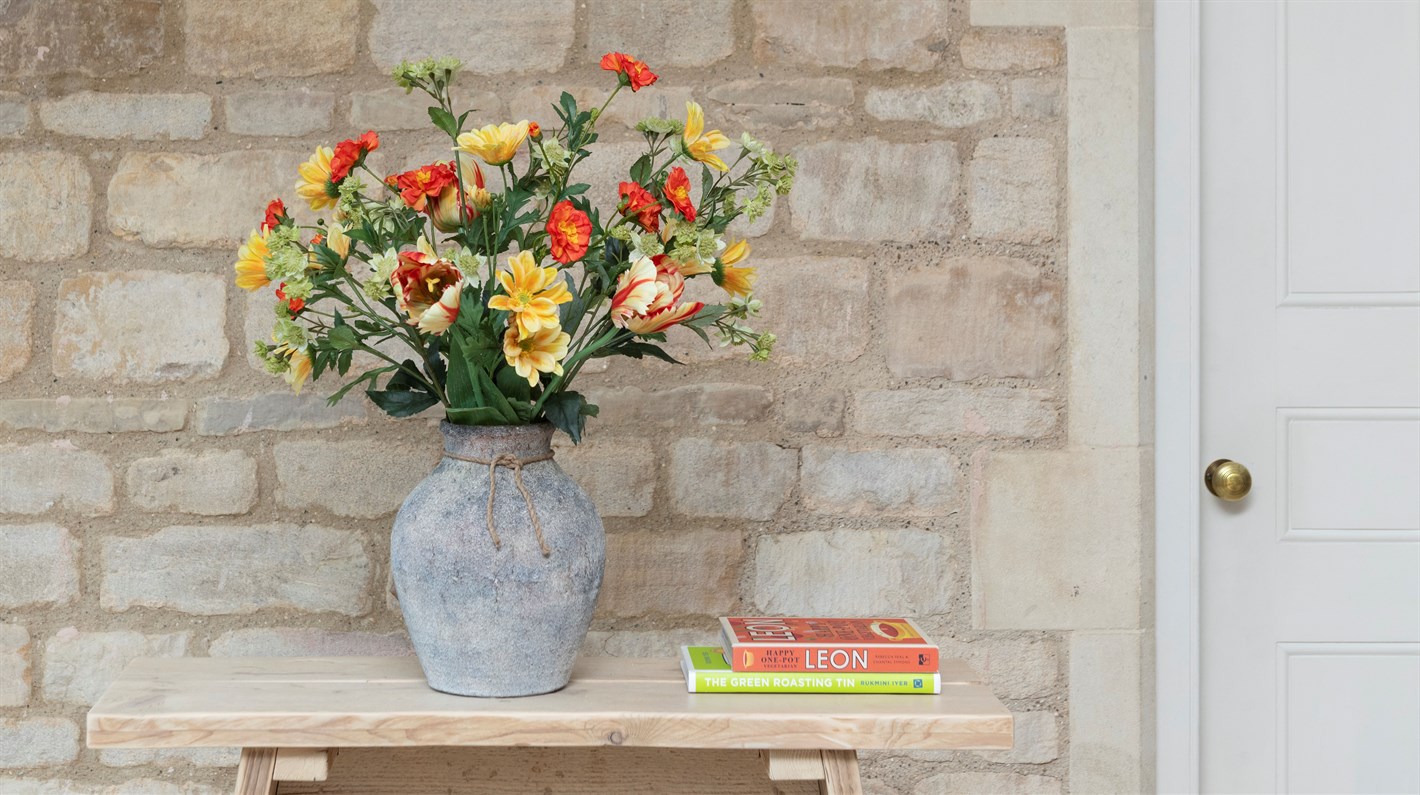
Artificial flowers can be an eco-conscious choice, and Floralsilk also offers a growing range of sustainably produced flowers and foliage. These are made exclusively from recycled fabric and recycled plastic, with no air freight, no water waste, and no pesticides.
This means you can enjoy long-lasting beauty season after season without compromising on sustainability.
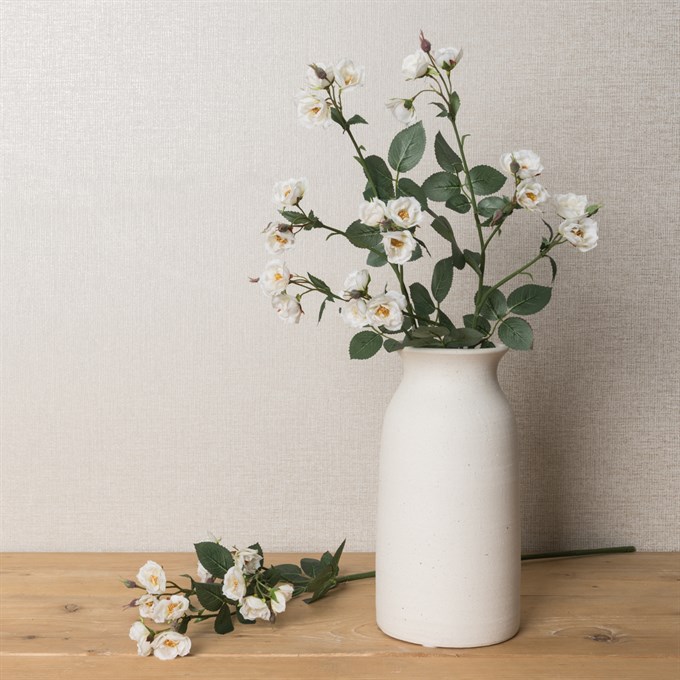
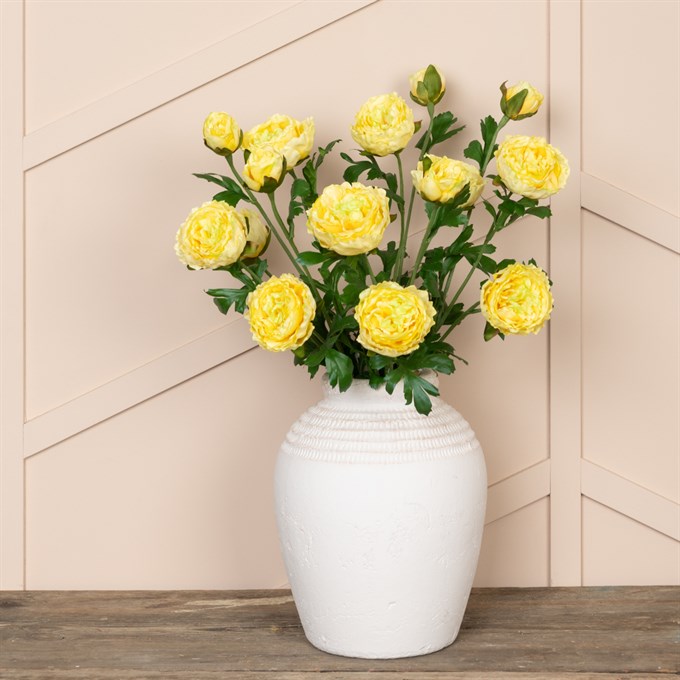
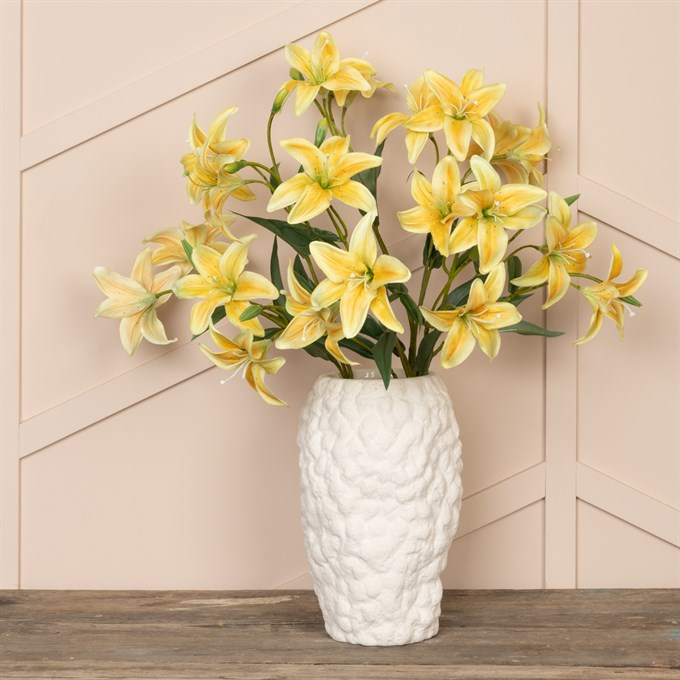
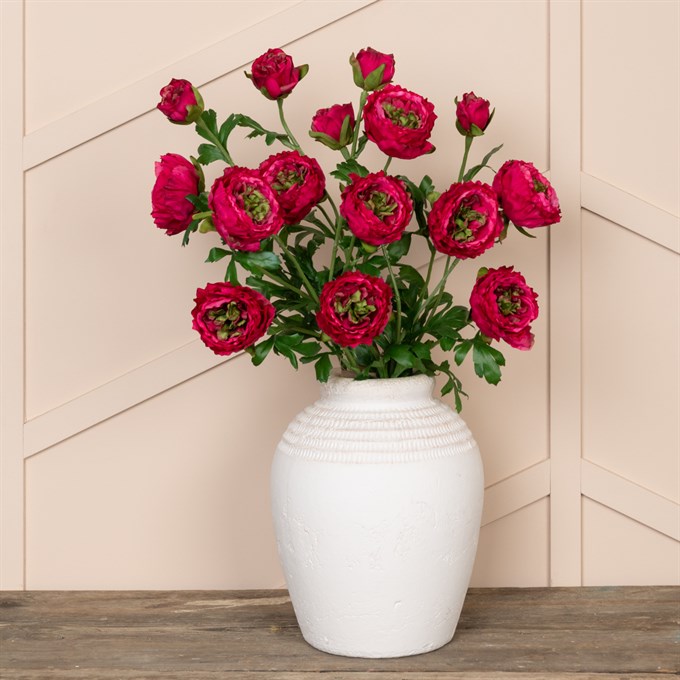
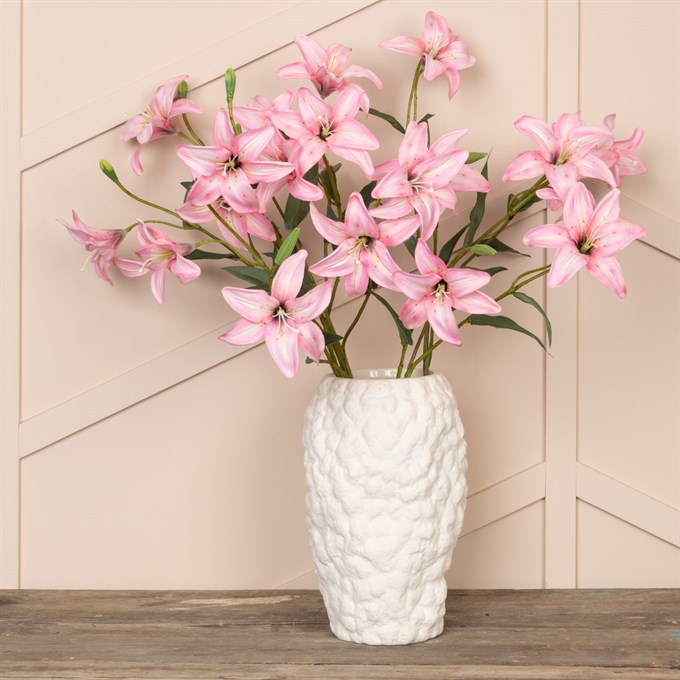
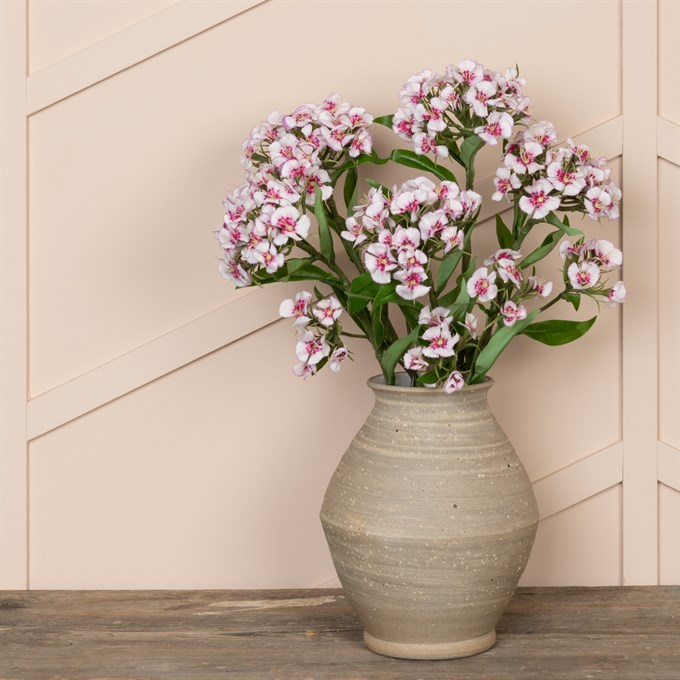
The range continues to expand, with new additions including Fluffy Ranunculus, Tiger Lily, wild rose and Sweet William. These join favourites such as hydrangeas, peonies, daisies, hellebores, dahlias, and delphiniums.
For long-term use across multiple seasons, faux flowers are often the better option for those looking to make a more eco-conscious choice without limiting their design options.
Floralsilk is proud to offer a dedicated eco range and remains committed to improving sustainability across all areas, from recycling and energy use to the development of more environmentally friendly artificial flowers.