What makes a Christmas Flower?
Published: 04/11/2025
SPEND £75 MORE FOR FREE DELIVERY
Spend £75 for Free Delivery
Published: 04/11/2025
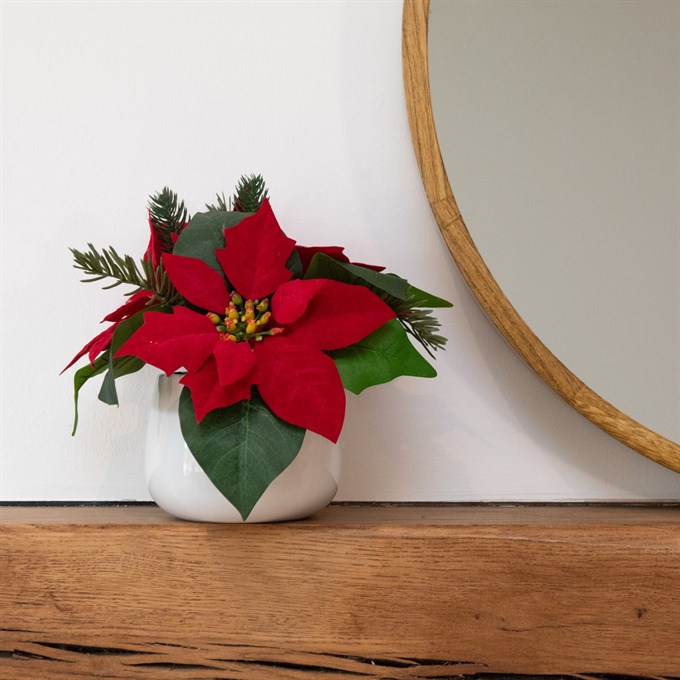
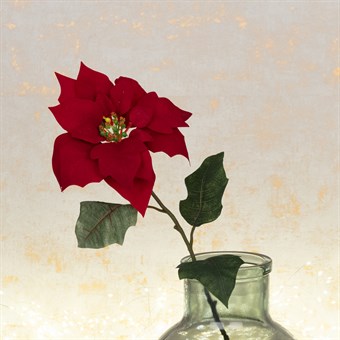
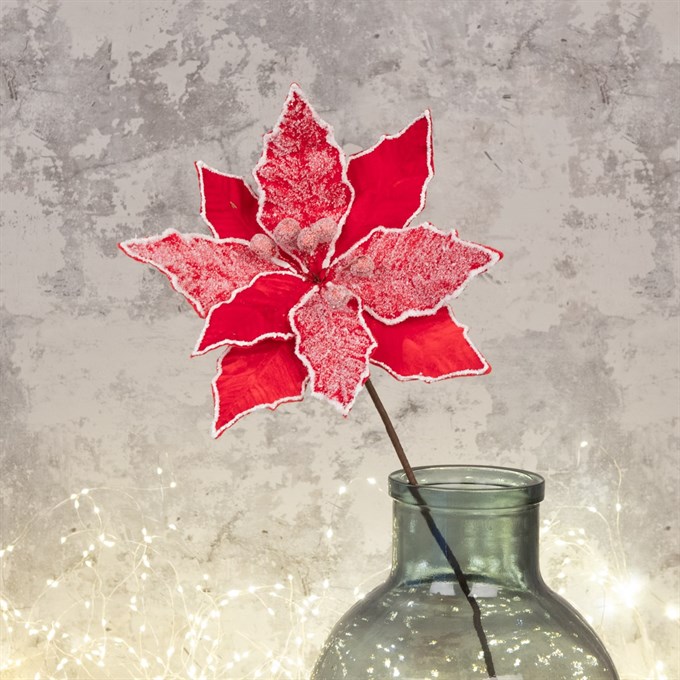
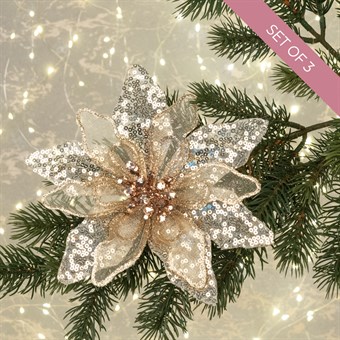
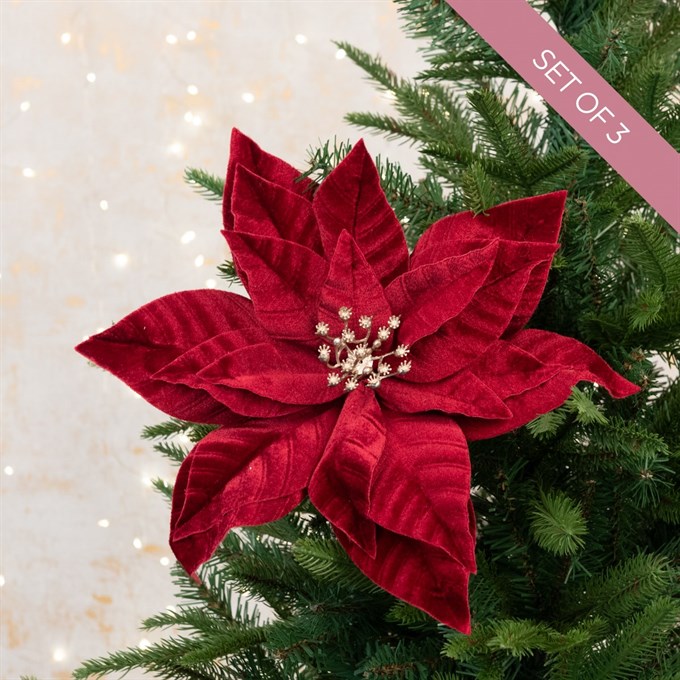
The poinsettia is perhaps the most iconic of Christmas flowers, used frequently in decorating and in vivid colours. However, their use in England is somewhat surprising when you consider that they’re native to Central America, and aren’t even flowers – they’re leaves instead!
However, there’s a Mexican legend that states a young girl was upset one Christmas eve, unable to give a gift to the baby Jesus. She picked a bouquet of weeds, leaving them at the bottom of the nativity scene – which transformed miraculously into festive poinsettias, and earning them the name of Flowers of the Holy Night. Much later, these were sent to TV Studios to use in staging, which successfully marketed them as a Christmas necessity.
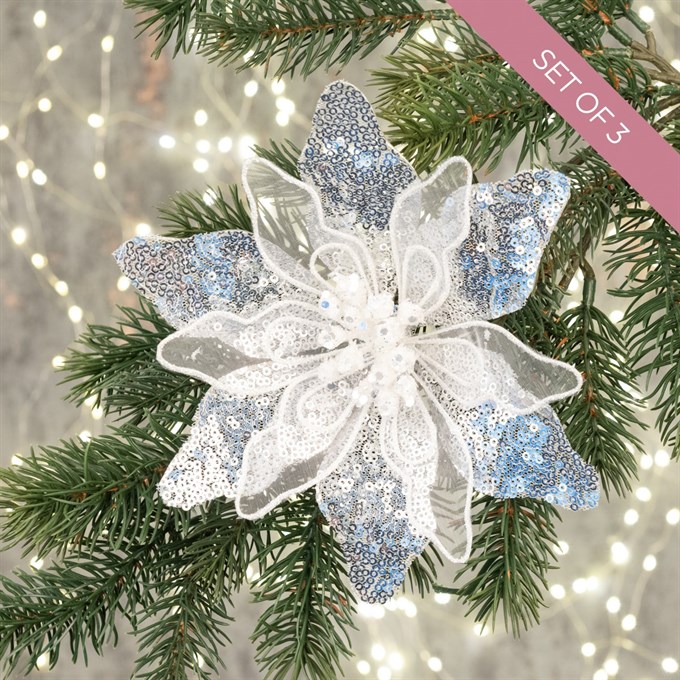
It’s a popular Christmas decoration in the UK, and the flower is considered to symbolise the star of Bethlehem, making it the perfect choice for festive décor. At Floralsilk, we have a number of clip on Poinsettia options that you can easily add to your tree, for easy impactful décor.
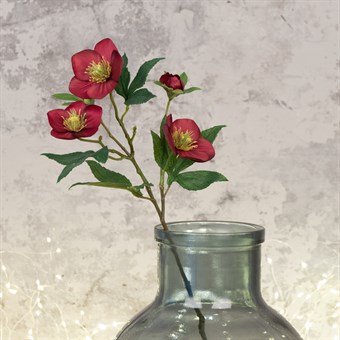
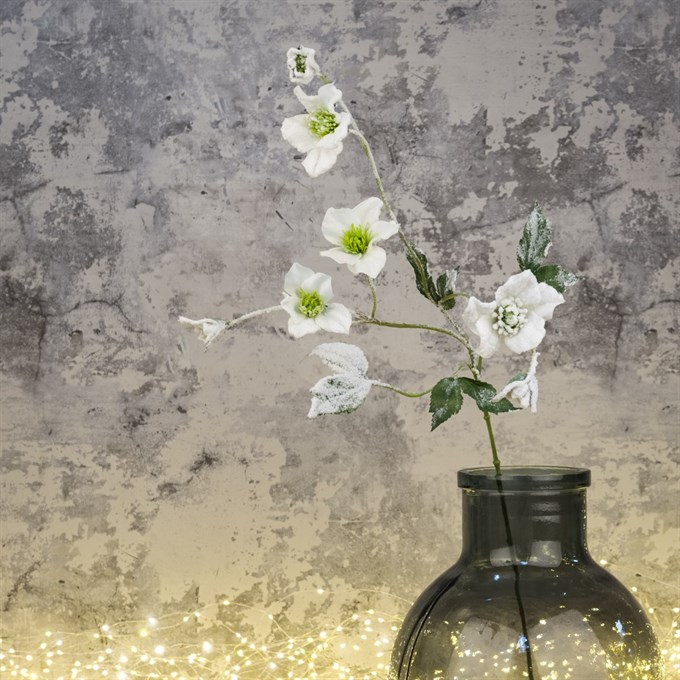
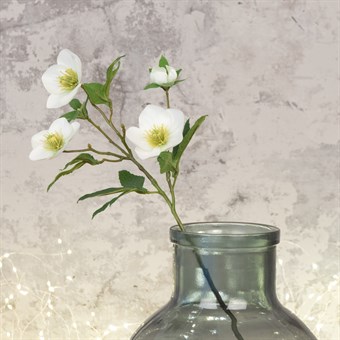
The hellebore is often called the Christmas Rose, although this is a bit of a misnomer – hellebores belong to the buttercup family (and our range of artificial flowers means you can add actual Christmas roses to your tree should you wish). However, the helleborus blooms beautifully in winter, lasting into the spring season, and offering a bright sight in a cold time.
It’s become a Christmas flower mostly because of its availability around the time, but there’s also an old story passed down about a young girl who cried because she had no gift for the baby Jesus. As she cried, an angel made her tears on the ground into a Christmas rose for her to gift. These are the hellebores we now celebrate with during the festive season.
We love adding Hellebores to bouquets around this time of year, but we’ve increasingly seen them added into the branches of Christmas trees for a little extra colour too. They’re a versatile flower, and one you’ll see everywhere now you know to look!
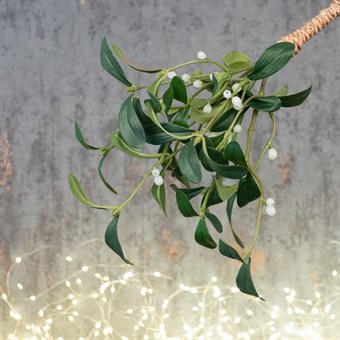
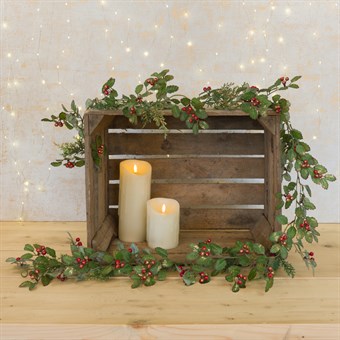
Mistletoe has long been a winter favourite, growing on existing plants and seen as a symbol of love, friendship and vitality as far back as the Celtic Druids. It also has a norse origin though, where the story is that Frigg, the goddess of love begged the plants and animals not to harm her son – but she didn’t think to ask the mistletoe. The poison from Mistletoe was thwarted only at the last minute, and she was so happy at her son being saved she decreed it a symbol of love, and would kiss anyone who walked beneath it. The other variation of the story is that her son died, and she offered a kiss for anyone so long as it was never used again as a weapon.
This is recorded in England as being used where people would pick a berry from the mistletoe for a kiss, and once they were all gone, no further kissing was allowed!
Mistletoe is easy enough to add to your doorways, but we’ve added it in the past into Christmas trees themselves for a little extra natural foliage that really pops.
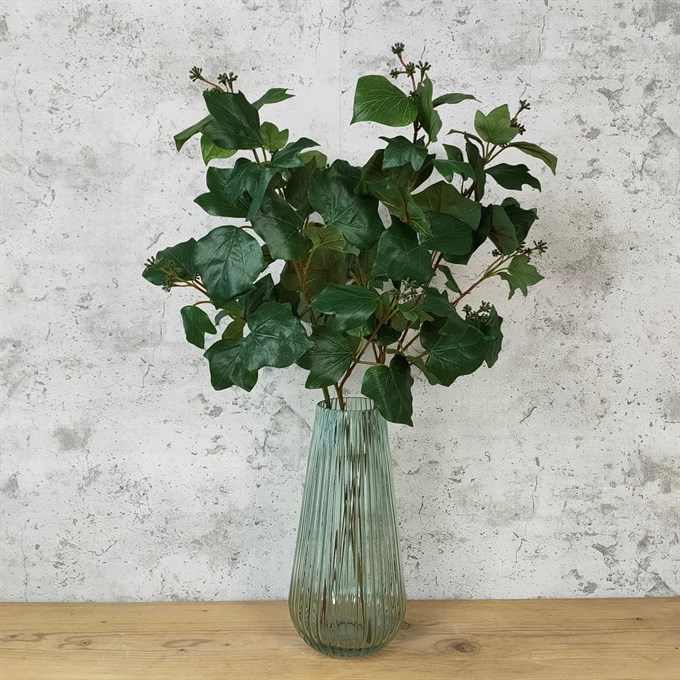
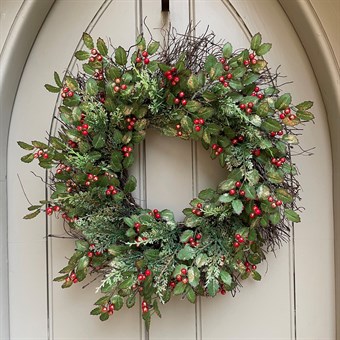
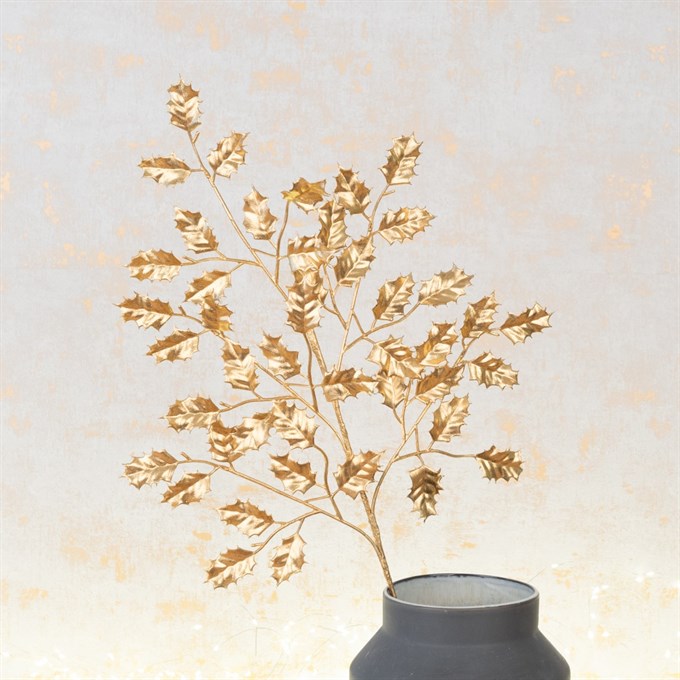
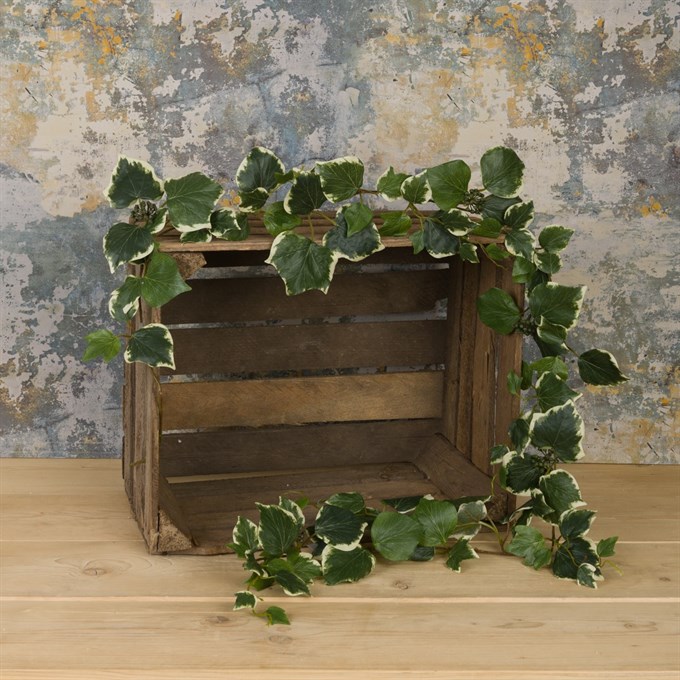
Holly and Ivy are traditional at Christmas, probably popularised by the Christmas carol ‘The Holly and the Ivy’. They’re hardy evergreens that are always available within the season, making them easy choices for foliage décor. However, they’ve long been thought of as plants to ward off evil (a great reason to add them to your Christmas wreaths!), and some would be taken inside during the winter solstice. So much so, that whilst we prefer fir trees as Christmas trees today, a holly tree was used previously – although this was later seen to be bad luck to cut down a whole holly tree… so perhaps we’ll stick to the fir trees!

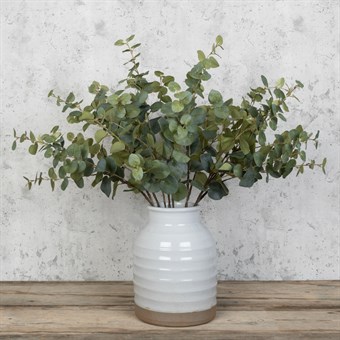
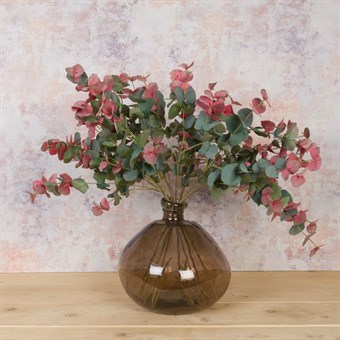
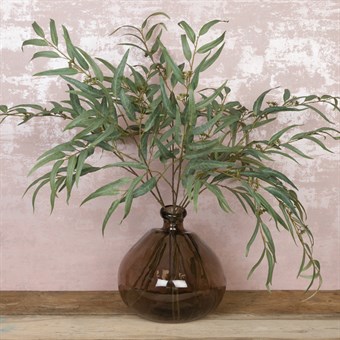
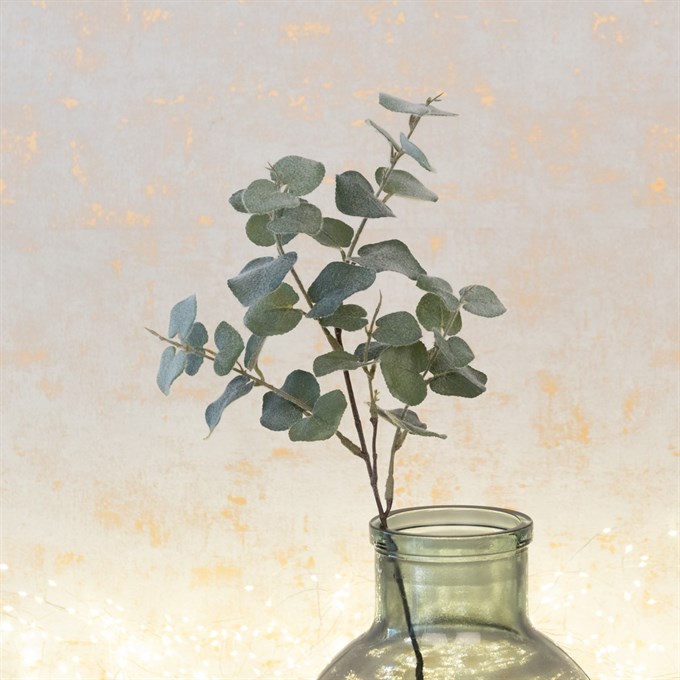
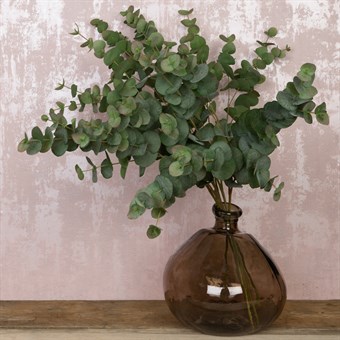
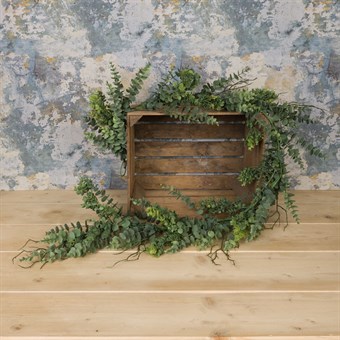
We love the trend of adding eucalyptus to our arrangements, as well as our wreaths and garlands. Although it’s not officially considered a Christmas eucalyptus – yet! – we find it a versatile way to add texture and colour to existing festive pieces, and so that’s exactly what we’d recommend. When creating your beautiful festive arrangements, add some eucalyptus stems for added impact.
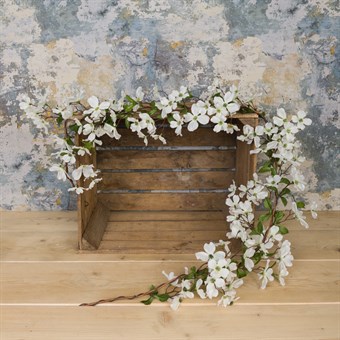
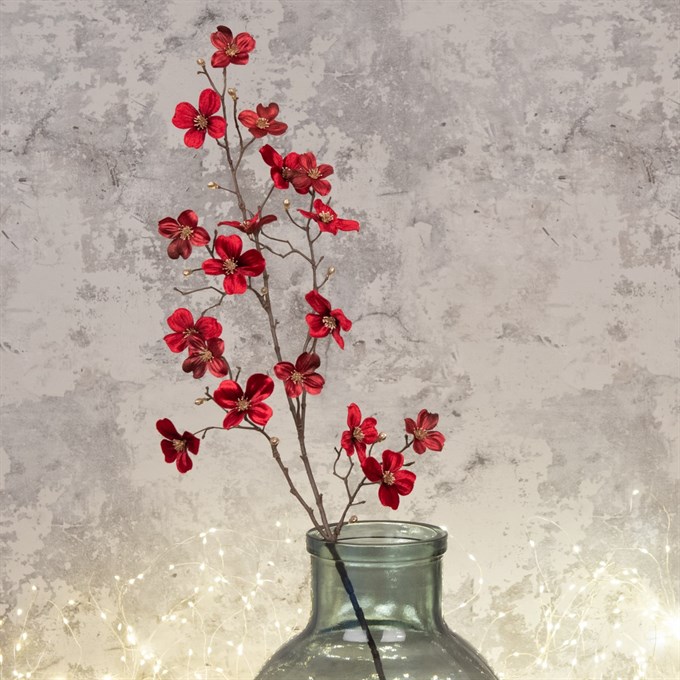
The flowering dogwood is a newish addition to Christmas festivities, mostly because most variations of it are a spring bloom, meaning that traditionally, you wouldn’t see Dogwood alongside your Christmas tree. However, there’s a real popularity for it amongst artificial flowers, which aren’t limited by season, where red petals suit perfectly the traditional colours. There’s also some Christmas-related symbolism attached to it within folklore, whereby dogwood was used in the cross of Jesus, and then was cursed to never grow so large again as a result. The flower's four petals are said to represent a cross, and the centre of the flower, a crown of thorns. Regardless of the lore surrounding it, it’s a beautiful flower that we love adding to our festive arrangements.
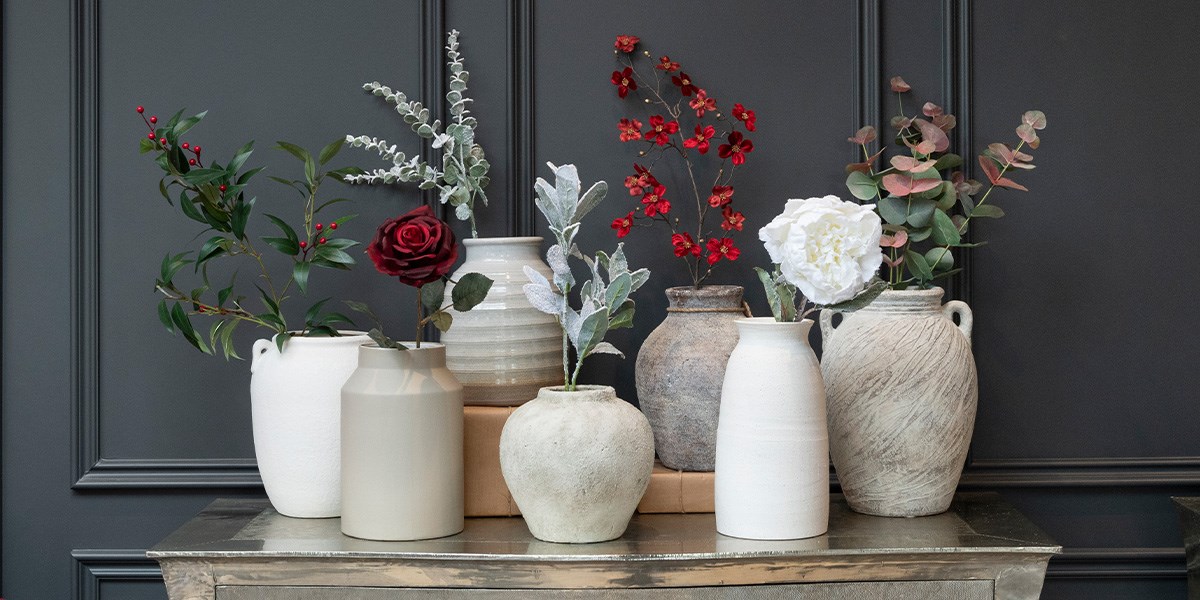
The two key ingredients of a Christmas flower are availability and tradition. Whether it’s a beautiful story tied to the time of year, or the fact that it’s easily obtainable despite the colder months, Christmas flowers are steeped in nostalgia. We love all flowers at Floralsilk, Christmas included, and our faux florals mean you can enjoy them year after year. Each of these are available on our website for you to pick from and add to your festive décor – whether you add the stems to your wreaths, trees, garlands, or you make them the centrepieces of your bouquet, they’re full of festive cheer and are bound to bring the delight.